


I haven’t updated the blog these past few days, but I wanted to comment on a piece of news in Korea that caught my attention. The South Korean government has a tourism problem, and it’s that tourism doesn’t leave the capital, Seoul.
Tourists in Seoul. What’s the problem, Goguma?
Basically, they’d like tourism to boost the economy in other parts of the country and not have its impact stay only in the capital. Keep in mind that Seoul is a huge city and there’s a lot to see there. But it’s not all about Seoul. Still, I don’t quite get this program.
Complaining again? What’s the problem this time, Goguma?
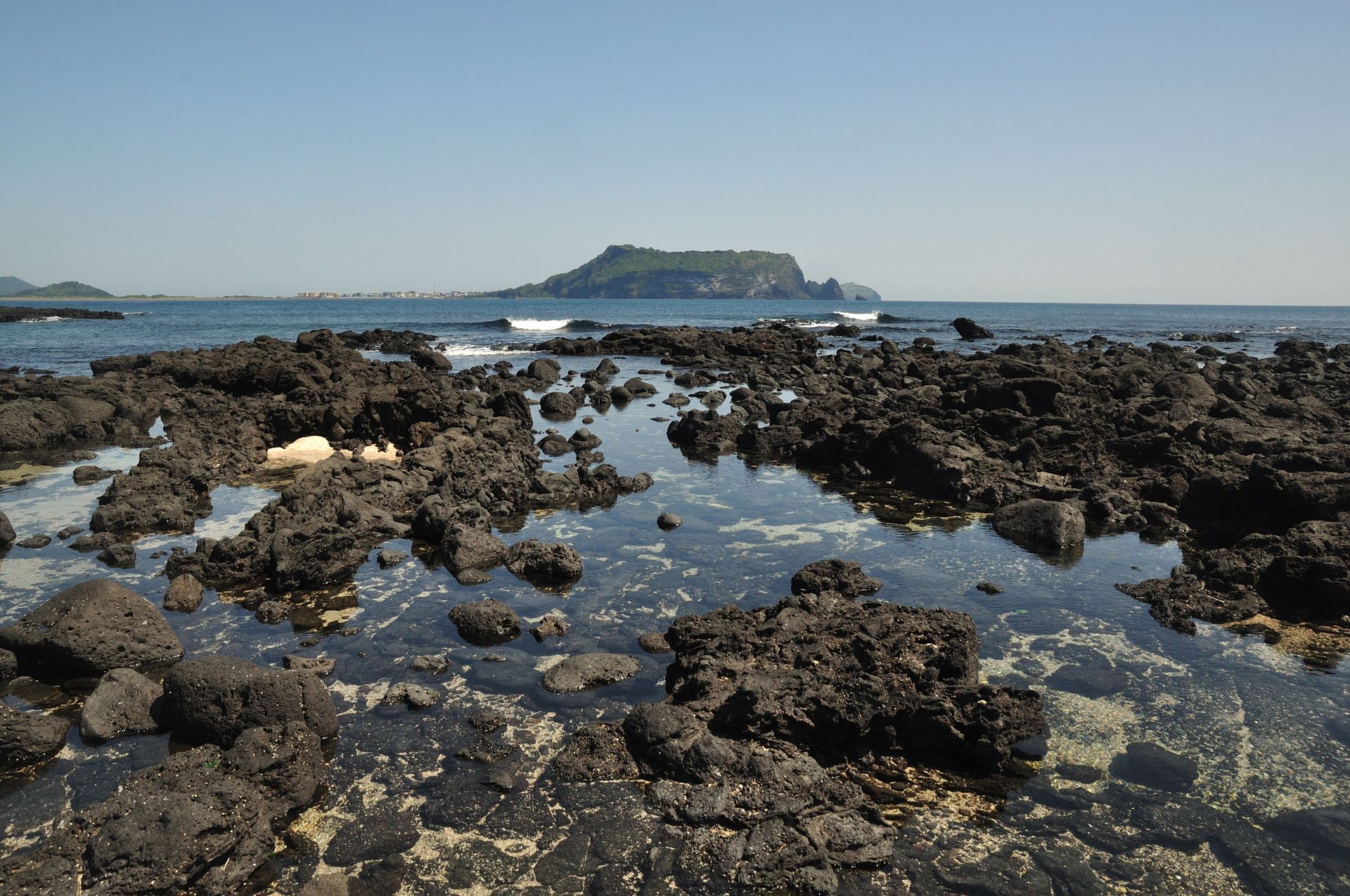
Very simple: they’re sending people to Jeju, another area that I already know is very touristy on its own. There are already lots of tourists there, especially Chinese and Japanese. I don’t think there’s any need to boost tourist arrivals there. I feel the approach isn’t quite right, because it’s not like Jeju is short on tourists either. Maybe they could have sent people to cities with less tourism, Daegu for example. There’s a lot to see outside of Seoul, Busan, and Jeju, but maybe that’s not what people are looking for.
Fine, I don’t care about your opinion. Just give me my ticket, please.
Watch out here, because there’s another angle to this. According to what I’ve read, the campaign is aimed at travelers from Japan, Taiwan, and Hong Kong. In other words, you have to come from those countries. I haven’t been able to confirm exactly how they check this, whether it’s based on passport or simply on where you enter South Korea from. Also, the deadline is until October 24th, so if you’re coming from those places you still have time, although funds are limited and once they run out there won’t be any more free flights. All the information can be found on Jeju Air’s website.
Jeju Air? Why does that name sound familiar?
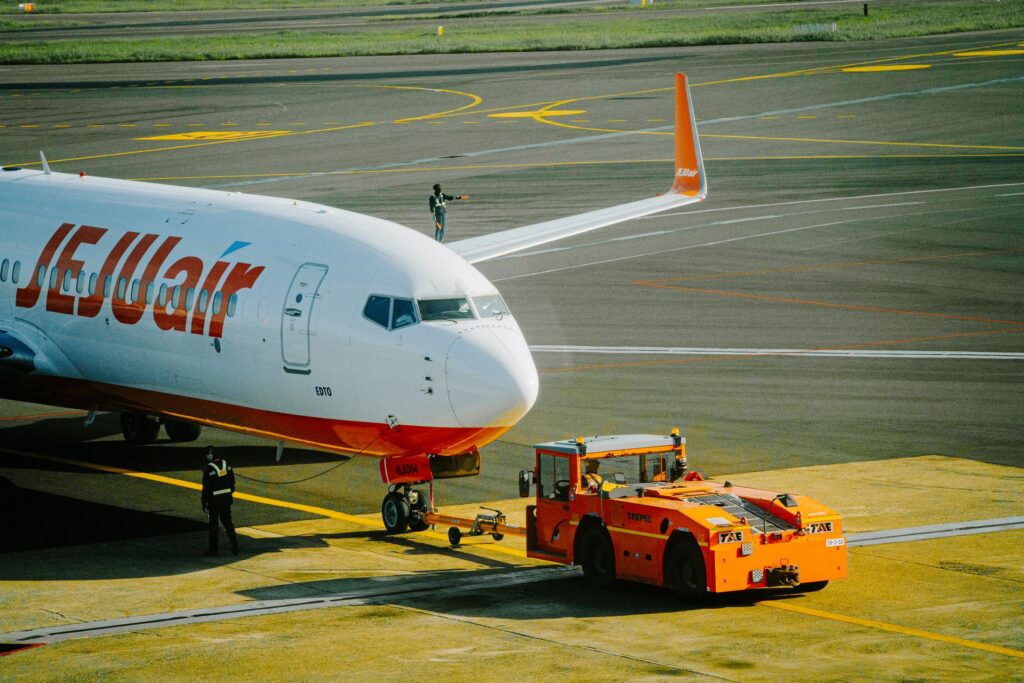
If you follow aviation news, you might recognize this airline because it’s the one involved in the plane crash at Muan Airport in late 2024. It’s a completely safe and reliable airline, with a modern fleet, and the fact that they had an accident shouldn’t affect your decision to fly with them. I insist, it’s a safe airline. In fact, the accident was the result of a combination of circumstances; it seems a bird strike hit the aircraft, damaging several critical systems. As you can see, the cause of the accident was external to the airline. But it’s true that financially, after the accident, they had and are still having a difficult few months. In Korea, the name is still marked by that accident.
Alright Goguma, where are you going with this? Are you implying something?
Well, it just so happens that this airline is the only one offering the Incheon-Jeju route, and therefore the government’s program is channeled through this airline. This is just my personal opinion, but Goguma is getting on in age and has some experience (gosh, almost 40 years old already, haha) and to this Goguma, it smells like a covert government bailout/rescue. Which isn’t necessarily bad either—a government helping companies in the country doesn’t have to be problematic. It just made me consider this possibility.
And what do you all think? Do you believe this is a bailout? Can you take advantage of the program? Leave your opinion in the comments.
If you’ve made it this far and enjoyed the content, you can help me keep the blog ad-free with a small donation on Buy Me a Coffee.