
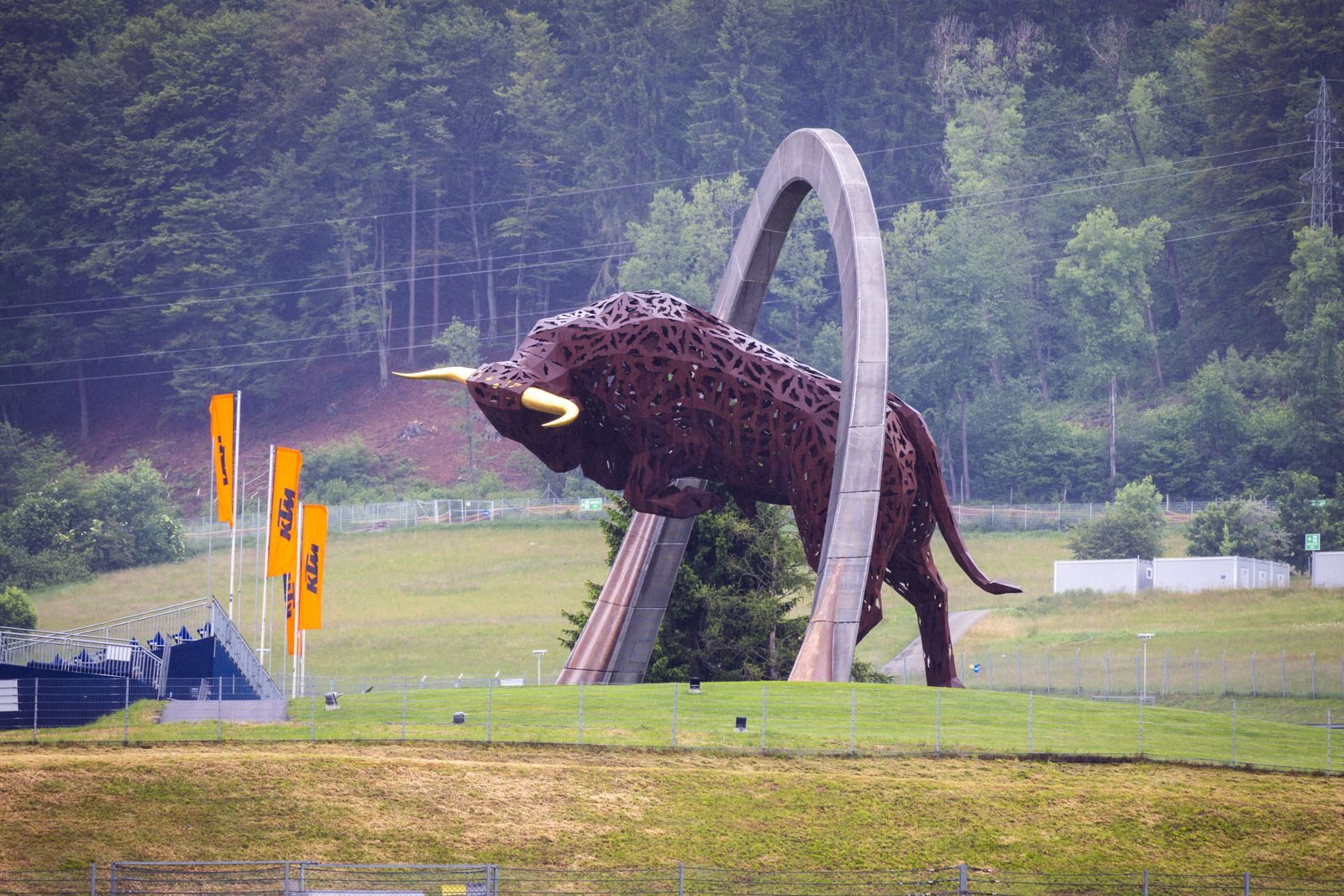

This past weekend saw the 2026 Austrian Grand Prix go to Russell, with Verstappen in second and championship leader Antonelli in third. It was a decent race — I’ll give it that — but this new era of Formula 1 still isn’t fully winning me over. That said, the finish was tight: less than three seconds split the top three.
So what’s your problem with it?
Same thing I’ve been saying since the season started. Yes, there’s plenty of overtaking and wheel-to-wheel action, but so much of it feels manufactured — designed for highlight reels and social media clips rather than genuine racing. Anyone who’s followed F1 for a few years will do a double take the first time they see a car sail past a rival on a straight because the other guy suddenly loses power out of nowhere. It looks absurd to me, even if I’ll admit it can be entertaining in short bursts.
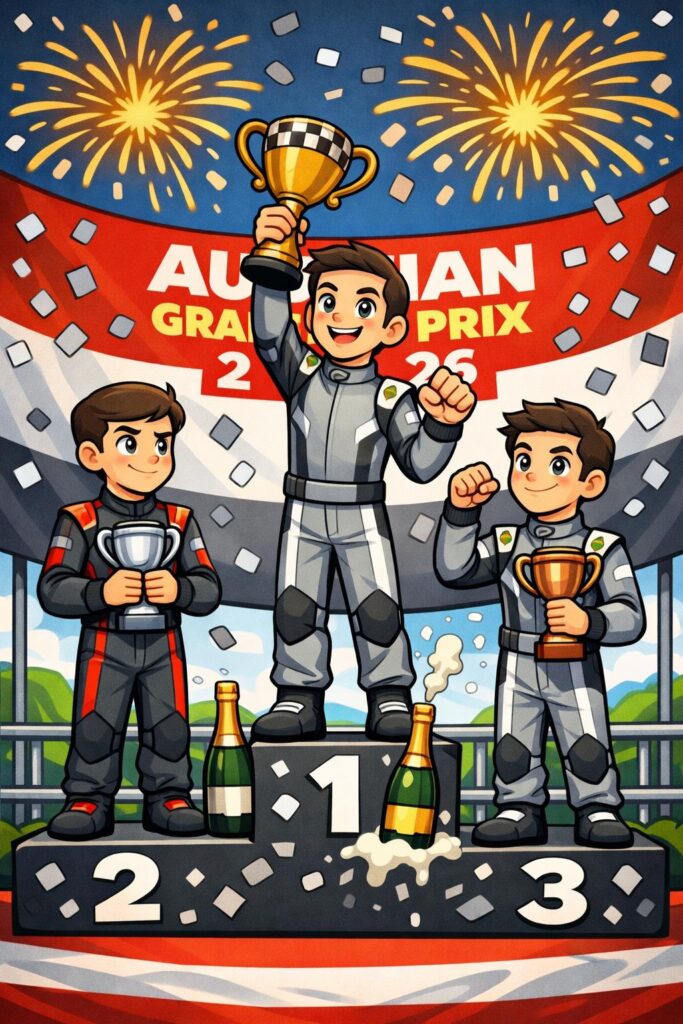
Fair enough — but how did the race actually go?
Russell led from lights to flag with barely any changes at the front. There was plenty going on further back though, most notably a fierce battle between Hamilton and Verstappen that the Dutchman eventually won. What caught my attention was how quickly Verstappen started complaining that Hamilton hadn’t given him room. Rich, given that aggressive, space-denying driving is basically a style Verstappen invented — on this very circuit, no less. Hypocritical? Absolutely. But that’s the job.
Red Bull look like they’ve found some pace, though we’ll need a few more races to know if it holds up. Ferrari came into Austria off the back of their Barcelona win, but seemed to take a step backwards here — the track temperatures clearly didn’t suit them. Leclerc had a miserable weekend, finishing eighth and well behind Hamilton in fifth. McLaren were a bit of a disappointment too, still struggling to get the most out of the car, though Piastri did well to take fourth.
What about the rest of the field?
Alpine seem to have lost their grip on the midfield, finishing 13th and 15th — both outside the points. Bad news for Colapinto’s Argentine fans. Racing Bulls, on the other hand, had a solid weekend and got both cars into the points, which suggests they’re making real progress. Audi just missed out, but they were in the mix — credit to them for that.
And the back of the grid?
Williams were a mess, plain and simple. Neither car made it through Q1 on Saturday, and Sunday wasn’t much better. Albon finished second to last — the only car behind him being an Aston Martin, which is in a category of its own right now — and Sainz had to retire with mechanical issues.
Cadillac brought a big upgrade package to Austria, but both cars retired before the end. They did look quicker before that, so the pace is there — they just need to sort out the brakes. Even so, for a brand new team they’re already putting Aston Martin to shame, which tells you everything.
And speaking of Aston Martin — the embarrassment of the weekend, as has become tradition. Stone dead last, miles off the pace, no hope of scoring points. This is a team with a massive budget, Adrian Newey — one of the greatest designers in the sport’s history — on board, and Fernando Alonso performing miracles with what he’s been given. It’s a sorry state of affairs. They have every resource they need to fix this; they just need to actually do it. If they don’t, history will remember them as the Toyota of this era. For those who don’t know, Toyota spent the better part of the 2000s in F1 with one of the biggest budgets on the grid and absolutely nothing to show for it. Aston Martin aren’t there yet, but the direction is worrying.
Anything else? What will we remember the 2026 Austrian Grand Prix for?
For me, the defining moment of the weekend was Saturday’s qualifying — and not in a good way. Right at the end of the final session, Verstappen had a big crash, bringing out yellow flags to warn the drivers still on track.
Russell was on a flying lap behind him. He lifted briefly — we’re talking a tiny fraction of time — and still set the fastest lap of the session to take pole. Technically legal? Yes. In the spirit of the rules? Absolutely not. And it sets a deeply troubling precedent. Antonelli has already publicly said he now knows exactly what to do if the same situation comes up again. If the FIA doesn’t act, someone is going to get hurt.
What would you have done, Goguma?
Honestly? I think it’s a scandal. If there’s a yellow flag on track, you shouldn’t be able to set a pole lap. Lifting for a fraction of a second and losing a handful of milliseconds is not slowing down — it’s theatre. Russell was clever, but the FIA bottled it. They didn’t have the nerve to throw double yellows, which would have wiped all the lap times. And even without double yellows, this simply shouldn’t be allowed to stand.
The FIA have spent years telling us that safety is the absolute priority — they’ve used it as justification for pulling the plug on wet races at the first sign of rain. If that’s genuinely true, then they got this one badly wrong. You cannot claim safety is paramount and then shrug when someone sets a pole position under yellow flags.
My read? They were too scared to red flag the session. But what do you think? Did the qualifying controversy bother you? Did you enjoy the race itself? Drop a comment below or come find me on Mastodon — I’d love to hear your take.