

Today I’m going to talk a bit about economics applied to real life and the concept of payment friction. I want to explain what it is and how it can be an ally for saving money on recurring expenses, especially when you buy anything online.
Great Goguma, tell me how to buy cheaper. Do you have any kind of discount voucher?
I don’t have something, I have something much better than that. In a way, you could say I have a 100% discount voucher. If you don’t need something, don’t buy it. As simple as that.
This is very easy to say, and I’m the first to admit I have subscriptions to things that, even though they make my life easier, I could probably live without.
I knew it! You’ve also fallen into the subscription trap
Of course I have, although I try to avoid using apps or services with subscriptions, unfortunately there are some apps for which I haven’t found a replacement (Todoist, for example). But what I am clear about is how much money I’m spending each month, and I think it over a lot before making a payment. No clicking a button and just starting to pay, you need to artificially add payment friction.
Payment friction? What’s that?
Have you ever wondered why every online store insists so much on you saving your payment information on their platform? For your convenience, they say, but that’s absolutely not the reason. This is where payment friction comes into play. Look, it’s proven that you’ll spend more money if you don’t have to enter your card details every time you buy something, which is exactly why they do it.
Even if you think you have it under control, it’s statistically proven that payment friction is a very effective way to make you spend more. In other words, as a consumer, it’s in your interest to put up every barrier (payment friction) yourself before buying a product.
And how do you do that, Goguma?
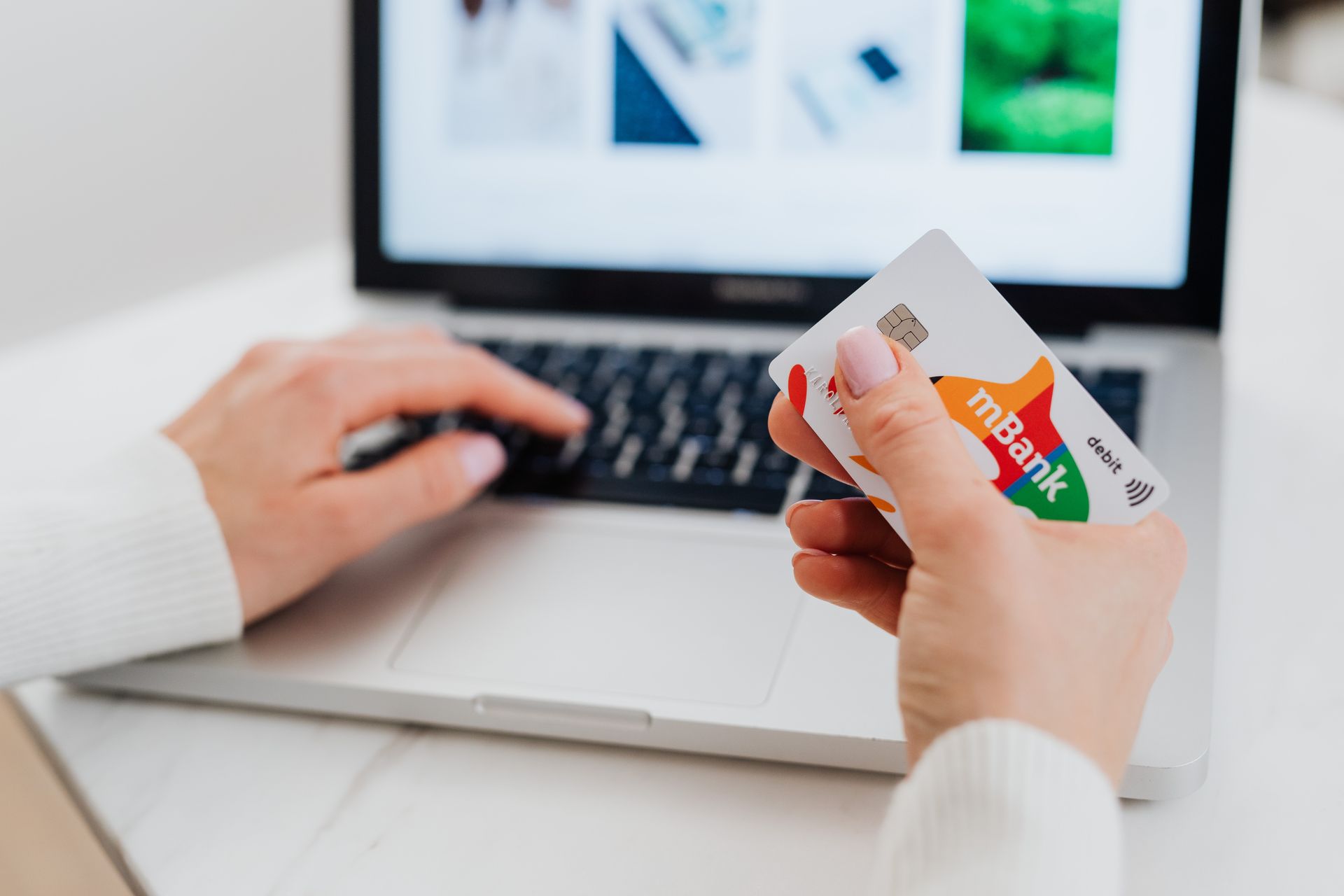
Personally, apart from the obvious step of never ever saving payment details on any website, I have a prepaid card. This type of card needs to be topped up beforehand with the exact amount you want to spend. That alone adds the hassle of having to do it every time. Besides spending less, it’s also an anti-fraud measure and a way to prevent unwanted charges. If there’s no money, they can’t make you pay for anything 🤷.
Ugh, what a hassle, that sounds really complicated
Indeed, it is. Every time I buy something, I first have to top up the card and then fill in all the details. It seems like a lot, and it is. It’s not exaggerated, but it’s enough to send my brain the message that I’m spending money. The last thing you want is to spend money as if it were credits in a video game. Paying has to be a little painful, because earning the money was too.
Great, but in my country these kinds of cards don’t exist. What do I do?
Well, in Spain they’re relatively easy to get, but in case you can’t get one, another option is to open an account at any bank and get a debit card (careful with this nuance: it’s important that it’s a debit card, so you don’t spend more than you actually have) and transfer the exact amount you need each time you pay. This setup will also give you total control over your spending with the card and prevent any unwanted charges.
Here in Korea, I’d say these kinds of prepaid or virtual cards don’t exist, so if you live here, using a debit card can be a good way to carry out this strategy. That said, it goes completely against the ppalli ppalli (hurry, hurry) mentality that a lot of people have in Korea. They can’t stand waiting to get things, and sometimes, like in this case, it’s better to wait a little. Or at least sleep on it, as we say in Spain.
So, did you know what payment friction is? Do you have any other tricks for controlling your spending? Had you thought about security when you save your payment details? I’ll be reading you in the comments.
If you’ve made it this far and enjoyed the content, you can help me keep the blog ad-free with a small donation at Buy Me a Coffee.
Cover photo: Kaboompics.com on Pexels.



Leave a Reply